
- Complete IT Solutions for a Digital World
Understanding AI | AI Applications | Challenges Faced by AI
how artificial intelligence and machine learning are transforming industries and digital innovation

Unlocking the Secrets of the AI Revolution: How Machine Learning is Revolutionizing Today's Digital Landscape
Table of Contents
Artificial Intelligence (AI) is transforming every industry, from healthcare to education, retail to finance, and more. It is being used to solve complex problems and improve efficiencies. With the adoption of AI, businesses can make smarter decisions, increase productivity, and reduce costs. But what is AI, and how is it transforming the world?
"Machine learning is not just about intelligent machines; it's about creating a better future for humanity. Discover how the #AI revolution is changing the game”
Understanding AI
Artificial Intelligence (AI) is a branch of computer science that focuses on the development of computer programs that can learn and make decisions like humans. It is the ability of machines to learn from data, identify patterns, and make decisions with minimal human intervention. AI can be broadly classified as follows:
Types of AI
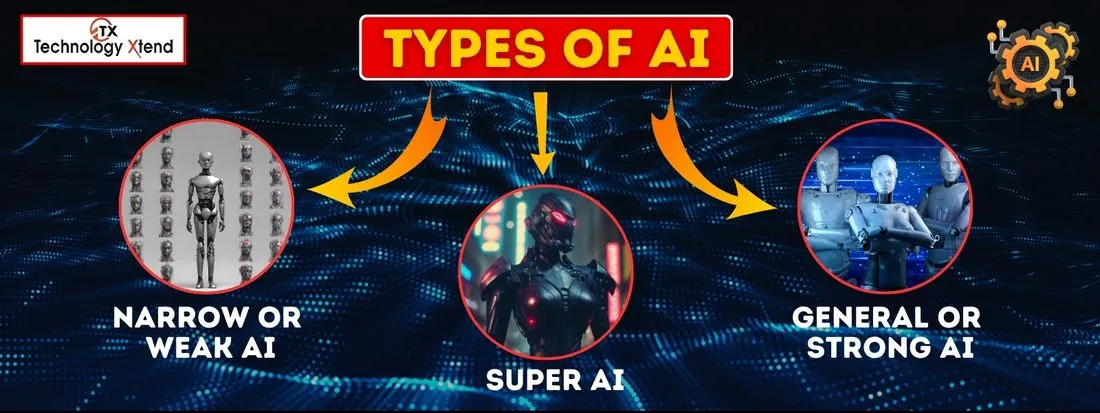
- Narrow or Weak AI: It is designed to perform a specific task with high accuracy. Examples include Apple’s Siri, Amazon’s Alexa, and Google Translate.
- General or Strong AI: It has the ability to learn, reason, and solve problems like humans. It is still a work-in-progress and not yet available for practical applications.
- Super AI: It is an advanced form of AI that can surpass human intelligence.
Role of Machine Learning, Deep Learning, and Natural Language Processing in AI
- Machine Learning: Machine learning is a technique that enables machines to automatically learn from data without being explicitly programmed. It is used to develop predictive models and make decisions based on patterns identified in the data. Supervised, unsupervised, and reinforcement learning are the main types of machine learning.
- Deep Learning: Deep learning is a subset of machine learning that involves training artificial neural networks to identify patterns in data. Deep learning is used for image recognition, speech recognition, and natural language processing.
- Natural Language Processing (NLP): NLP is a subfield of AI that deals with the interaction between computers and humans using natural language. It is used for speech recognition, sentiment analysis, and language translation, among other applications.
Applications of AI
The applications of AI are vast and growing, with new use cases emerging every day. Let us explore the ways AI is changing the game in various industries.
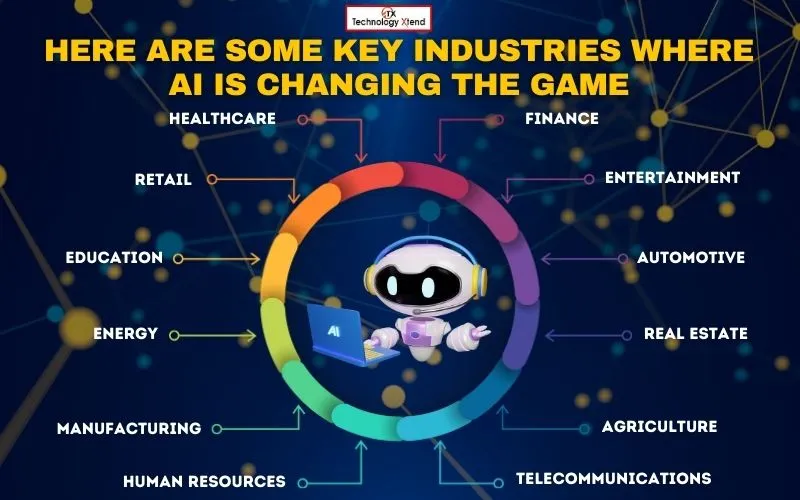
Healthcare
The healthcare industry is one of the biggest adopters of AI. Here are a few of the ways AI is transforming healthcare:
1. Predictive Diagnosis and Treatment: AI is used to develop predictive models to diagnose diseases and recommend treatments. It can analyze vast amounts of medical data to identify patterns and make predictions with high accuracy. For example, IBM’s Watson for Oncology uses AI to help doctors recommend personalized cancer treatments.
2. Drug Development: AI is used to identify new drug compounds and accelerate the drug development process. AI can analyze vast amounts of data to identify potential drug targets and predict their performance. For example, Atomwise uses AI to identify new drug compounds for various diseases.
3. Virtual Nurses: AI-powered virtual nurses are used to monitor patients remotely and provide personalized care. They use chatbots and voice assistants to communicate with patients, provide health advice, and monitor symptoms. For example, Sensely’s virtual nurse Molly helps patients manage their chronic conditions.
4. Robotic Surgery: AI-powered robots are used to perform surgery with high precision and accuracy. They can analyze real-time data and adjust their movements accordingly. For example, the Da Vinci Surgical System is used for minimally invasive surgery in various specialties.
Education
AI is transforming the education industry by enabling personalized learning and improving student engagement. Here are a few of the ways AI is changing the game in education:
1. Personalized Learning: AI is used to develop personalized learning plans for students based on their strengths and weaknesses. It can analyze past performance data and recommend courses or topics that need improvement. For example, Carnegie Learning uses AI to personalize math learning for students.
2. Chatbots for Student Engagement: AI-powered chatbots are used to engage students and answer their questions. They can provide timely feedback and support to students. For example, Duolingo’s chatbots help students learn new languages.
3. AI-Powered Tutoring: AI-powered tutoring systems are used to provide personalized tutoring to students. They can analyze student performance data and provide feedback and suggestions for improvement. For example, Squirrel AI uses AI to provide personalized tutoring to students in China.
Retail
AI is transforming the retail industry by enabling personalized customer experiences and improving inventory management. Here are a few of the ways AI is changing the game in retail:
1. Recommendation Engines: AI-powered recommendation engines are used to recommend products to customers based on their past purchases or browsing history. They can analyze customer data to identify patterns and make recommendations with high accuracy. For example, Amazon’s recommendation engine recommends products to customers based on their browsing and purchase history.
2. Customer Experience: AI is used to improve customer experience by providing personalized recommendations and support. Chatbots and voice assistants are used to interact with customers and offer assistance. For example, H&M’s chatbot helps customers find clothes that match their style.
3. Inventory Management: AI is used to optimize inventory management by predicting demand and optimizing supply. It can analyze sales data and weather data to make accurate predictions. For example, Walmart uses AI to predict product demand and optimize its supply chain.
Finance
The finance industry is another big adopter of AI. Here are a few of the ways AI is transforming the finance industry:
1. Fraud Detection: AI is used to detect fraudulent transactions by analyzing transaction patterns and identifying anomalies. It can analyze vast amounts of data to identify fraudulent activities. For example, Kount uses AI to detect and prevent online fraud.
2. Risk Management: AI is used to manage risk by analyzing market data and predicting market trends. It can identify potential financial risks and suggest strategies to mitigate them. For example, JP Morgan uses AI to detect fraudulent activities and mitigate financial risks.
3. Algorithmic Trading: AI is used to make decisions in algorithmic trading by analyzing market data and identifying profitable trades. It can execute trades with high speed and accuracy. For example, Goldman Sachs uses AI in its trading operations.
Automotive
The automotive industry is using AI to develop autonomous vehicles and improve road safety. Here are a few of the ways AI is changing the game in the automotive industry:
1. Autonomous Vehicles: AI-powered autonomous vehicles are being developed to improve road safety and reduce accidents. They use sensors and cameras to navigate roads and make decisions. For example, Tesla’s Autopilot system enables partial automation of driving.
2. Connected Cars: AI is used to enable connectivity between cars and other devices. This can improve traffic management and reduce congestion. For example, Audi’s Navigation Plus system provides real-time traffic information to drivers.
3. Smart Traffic Management: AI is used to optimize traffic management by analyzing traffic data and making real-time decisions. It can reduce traffic congestion and improve road safety. For example, IBM’s Traffic Prediction and Optimization system uses AI to manage traffic in cities.
Challenges Faced by AI
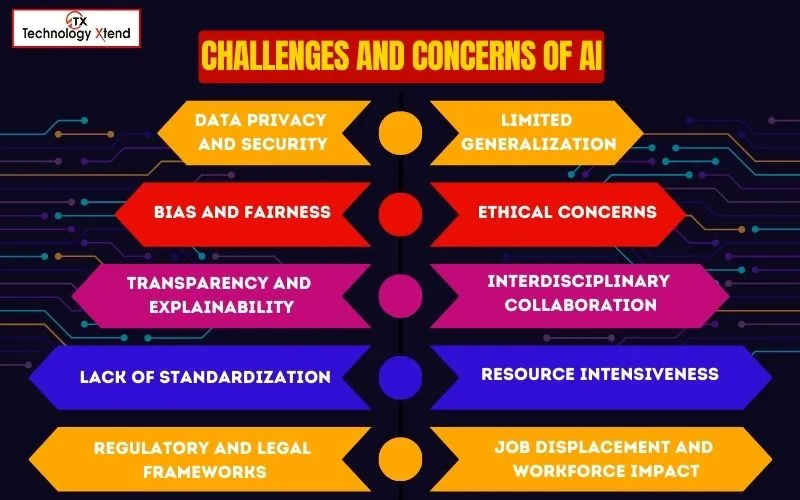
As with any disruptive technology, AI also faces challenges and concerns that need to be addressed. Let us explore a few of them:
Ethical and Legal Issues
- Bias and Discrimination: AI systems can perpetuate bias and discrimination if they are trained on biased data or algorithms. For example, facial recognition systems have been criticized for being biased against certain groups of people.
- Privacy and Security: AI systems can pose a threat to privacy and security if they are not properly designed and utilized. For example, data breaches can occur if sensitive data is not protected adequately.
Trust
Transparency and Explainability: AI systems can lack transparency and explainability, which can erode trust in them. It is important to explain how an AI system arrived at its decisions. For example, the General Data Protection Regulation (GDPR) requires that AI systems be able to explain their decisions.
Job Losses
Impact on Employment Landscape: AI systems can have a significant impact on employment, with some jobs being automated. However, AI can also create new employment opportunities. It is important to manage the transition to ensure a smooth and equitable employment landscape.
Also Read - AI: A Comprehensive Guide To The Top Trends And PredictionsConclusion
Artificial intelligence has the potential to revolutionize the world. With the increasing availability of data and computing power, AI will continue to expand its applications, create new opportunities, and transform industries. However, it is important to address the challenges and concerns that come with it, to ensure a responsible and equitable future.