
- Complete IT Solutions for a Digital World
Best WhatsApp API Provider in India for Marketing and Automation
Discover the best WhatsApp API provider in India to automate marketing, manage leads, improve customer communication, and grow faster.
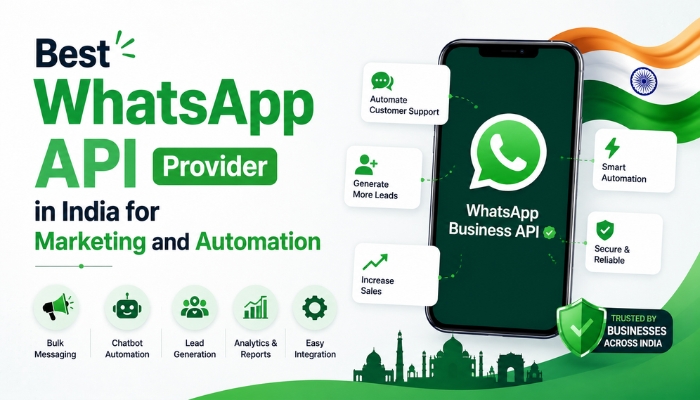
WhatsApp has become one of the most effective communication channels for businesses in India. Companies use WhatsApp to connect with customers, share updates, promote products, answer queries, and follow up with leads. However, managing a large number of customer conversations manually can become difficult as a business grows.
A WhatsApp API helps businesses manage customer communication at scale. It can connect WhatsApp with websites, CRM systems, lead management software, marketing campaigns, and other business tools.
Choosing the best WhatsApp API provider in India for marketing and automation can help businesses improve customer communication, automate repetitive tasks, organize leads, and create a more efficient customer engagement process.
What Is WhatsApp API?
WhatsApp API is a business communication solution that allows companies to integrate WhatsApp with their existing software and business systems. It is designed for businesses that need structured communication and want to manage customer conversations through business tools.
With a suitable WhatsApp API solution, businesses can manage customer communication, marketing campaigns, lead follow-ups, notifications, support messages, and other business workflows.
Key WhatsApp API Features
- Automated customer messages
- Marketing notifications
- Lead follow-ups
- Customer support
- Order and booking updates
- Marketing campaign management
- Multiple-user access
- Website integration
- CRM integration
- Lead notifications
- Message templates
- Business workflow automation
These features make WhatsApp API useful for businesses that want to use WhatsApp as an important part of their marketing and customer communication strategy.
Why Businesses Need WhatsApp API for Marketing
Marketing is not only about reaching potential customers. Businesses also need to communicate with leads at the right time and provide useful information throughout the customer journey.
WhatsApp can make this process easier because customers can receive business communication through a platform they already use regularly. With API integration, businesses can create a more organized communication process instead of relying completely on manual messaging.
1. Lead Follow-Ups
When a customer submits an enquiry through a website or advertising campaign, businesses can send a WhatsApp message to acknowledge the enquiry.
For example:
“Thank you for contacting us. Our team will get back to you shortly.”
Immediate communication can improve the customer experience and help businesses respond to enquiries without unnecessary delays.
2. Marketing Campaigns
Businesses can use WhatsApp to communicate promotional offers, product announcements, service updates, event information, and other marketing messages, subject to applicable WhatsApp messaging policies and user consent requirements.
This can make WhatsApp an important part of a multi-channel marketing strategy and help businesses maintain direct communication with customers.
3. Automated Responses
Customers may contact businesses outside normal working hours. Automated responses can acknowledge incoming messages and provide basic information until a team member becomes available.
This can be particularly useful for businesses that receive enquiries throughout the day.
4. Customer Segmentation
Businesses can organize leads and customers into different categories according to their requirements.
- New leads
- Existing customers
- Hot leads
- Follow-up required
- Interested customers
- Previous customers
Customer segmentation can help businesses make their communication more organized and relevant.
How WhatsApp API Helps With Automation
Automation is one of the major advantages of using a WhatsApp API solution. Instead of requiring employees to perform every repetitive communication task manually, businesses can create predefined workflows.
A basic workflow can look like this:
Website Enquiry → Lead Captured → WhatsApp Notification → Customer Follow-Up → Sales Team Assigned
This type of workflow can help businesses reduce repetitive tasks and create a more structured process for managing enquiries.
Automated Lead Notifications
When a new lead arrives from a website, Google Ads, Meta Ads, or another source, the system can notify the appropriate sales team through WhatsApp.
This can help sales teams become aware of new enquiries quickly and take the required action.
Automated Follow-Ups
Businesses can create follow-up workflows for customers who have requested information but have not yet completed the next step.
Structured follow-ups can help businesses maintain communication with potential customers without depending entirely on manual reminders.
Automated Customer Support
Frequently asked questions can be handled through predefined responses, while complex queries can be transferred to a customer support executive.
This approach can help businesses manage routine questions while allowing staff to focus on conversations that require personal attention.
Automated Business Updates
Businesses can use WhatsApp communication for important updates such as:
- Appointment confirmations
- Order updates
- Booking information
- Payment reminders
- Service notifications
- Delivery updates
Key Features of the Best WhatsApp API Provider in India
Not every WhatsApp API solution offers the same capabilities. Businesses should evaluate providers based on their actual requirements, expected messaging volume, integration needs, automation requirements, and support expectations.
Key Features to Compare in a WhatsApp API Provider
| Feature | How It Helps Businesses |
|---|---|
| Marketing Automation | Helps businesses manage promotional campaigns and customer communication more efficiently. |
| Lead Management | Helps capture, organize, assign, and follow up with leads through WhatsApp. |
| CRM Integration | Connects WhatsApp conversations with customer and lead information. |
| Multi-User Access | Allows sales and support teams to manage customer conversations from one system. |
| Automated Responses | Provides quick responses to common customer questions and enquiries. |
| Analytics & Reporting | Helps businesses monitor messaging, campaign, and customer response performance. |
| Website Integration | Allows website visitors to start conversations with the business directly on WhatsApp. |
WhatsApp Business Integration
A good provider should offer reliable WhatsApp Business integration and help businesses establish a professional communication system.
Businesses should also understand the available messaging policies, template requirements, and account-related requirements before starting large-scale campaigns.
Marketing Campaign Management
Businesses should be able to manage approved WhatsApp marketing campaigns efficiently and organize customer communication according to their business requirements.
Automation
Automation tools can help businesses create workflows for enquiries, follow-ups, notifications, customer support, and other repetitive communication processes.
Multiple User Access
Sales and support teams may need to use the same business communication system. Multi-user access can help different team members manage conversations from a centralized setup.
CRM Integration
CRM integration allows businesses to connect WhatsApp conversations with customer and lead information. This can help sales teams understand customer history before starting a conversation.
Website Integration
Connecting WhatsApp with a website allows visitors to start conversations directly with the business. A “Chat on WhatsApp” button can be added to important website pages.
Lead Management
A WhatsApp API solution becomes more useful when it works with a lead management system. Businesses can organize leads, assign them to employees, update lead status, and manage follow-ups from a structured system.
Message Templates
Businesses can create approved templates for common communication requirements such as enquiries, confirmations, reminders, and notifications.
Using appropriate templates can make repetitive communication more consistent while helping businesses follow applicable messaging requirements.
Analytics and Reporting
Reports can help businesses understand campaign and communication performance.
Useful metrics may include:
- Messages sent
- Messages delivered
- Messages read
- Customer responses
- Campaign performance
- Lead responses
- Follow-up activity
WhatsApp API for Small Businesses in India
WhatsApp API is not only useful for large companies. Small and growing businesses can also use it to organize customer communication and create a structured process for handling enquiries.
For example, a coaching institute can use WhatsApp to communicate with students and parents. A real estate company can use it to follow up with property enquiries. An ecommerce business can use WhatsApp for order-related communication. A service company can use WhatsApp to manage enquiries and appointment updates.
This makes WhatsApp API useful across different industries and business sizes.
WhatsApp API for Marketing Automation
Marketing automation becomes more effective when businesses combine customer data, messaging, and predefined workflows.
A typical process could look like this:
Customer Enquiry → Lead Captured → WhatsApp Message Sent → Sales Team Notified → Follow-Up Scheduled → Customer Responds → Lead Status Updated
This structured approach can help businesses maintain consistent communication with their leads and customers while reducing the amount of repetitive manual work.
Combining WhatsApp With Lead Management
Businesses that receive enquiries from multiple sources can benefit from connecting WhatsApp with a lead management system.
For example, leads generated through a website, Google Ads, Meta Ads, or other channels can be organized and assigned to the appropriate sales employee. WhatsApp can then be used as one of the communication channels for follow-up.
This can create a smoother process from lead generation to customer communication and sales follow-up.
Benefits of Choosing the Right WhatsApp API Provider
Better Customer Communication
Businesses can communicate with customers through a familiar messaging platform and provide timely responses to enquiries and service-related questions.
Faster Lead Response
Automated notifications can help sales teams become aware of new enquiries faster and take action when required.
Reduced Manual Work
Automated workflows can reduce repetitive communication tasks and allow employees to focus on more important customer interactions.
Organized Sales Process
Integration with lead management or CRM systems can make customer information easier to manage and help teams follow a structured sales process.
Improved Follow-Up
Businesses can create structured follow-up processes instead of relying entirely on manual reminders.
Centralized Team Communication
Multiple employees can manage business conversations through an organized system, making it easier for sales and support teams to coordinate customer communication.
How to Choose the Best WhatsApp API Provider in India
Choosing a WhatsApp API provider should be based on your business requirements rather than price alone. Before selecting a provider, consider the following factors.
1. Understand Your Business Requirements
First, identify why you need WhatsApp API.
Do you need it for:
- Marketing
- Lead generation
- Customer support
- Sales follow-ups
- Notifications
- Automation
- CRM integration
Your requirements will determine which solution is appropriate for your business.
2. Check Integration Options
Check whether the provider supports integration with your website, CRM, lead management software, ecommerce platform, or other business tools.
Good integration can help businesses avoid maintaining separate systems for customer information and communication.
3. Review Automation Features
If automation is important for your business, check the available workflow and messaging features before selecting a provider.
Look for features that support automated notifications, follow-ups, customer responses, and lead management according to your requirements.
4. Compare Pricing
Compare pricing based on your expected usage and required features. Do not choose a provider only because it has the lowest advertised price.
Consider the overall value, available features, integration options, support, and scalability before making a decision.
5. Check Customer and Technical Support
Reliable technical and customer support can be important when integrating WhatsApp API with your business processes.
A provider should be able to assist with setup, integration-related requirements, and common technical issues.
6. Consider Scalability
Choose a solution that can support your business as your customer base and messaging requirements increase.
A scalable WhatsApp API solution can help businesses continue using the same communication system as their operations grow.
Why Technology Xtend Can Be a Good Choice
Technology Xtend provides WhatsApp API solutions designed to help businesses manage customer communication, marketing, and automation from a centralized system.
Businesses can use WhatsApp API integration for lead management, automated communication, marketing campaigns, customer engagement, and business workflows.
The solution can also be connected with business systems to help teams manage leads and customer conversations more efficiently.
WhatsApp API for Business Communication
Technology Xtend focuses on helping businesses create a more organized WhatsApp communication process. Depending on business requirements, WhatsApp can be used for lead notifications, customer communication, marketing campaigns, follow-ups, and other business workflows.
WhatsApp API for Lead Management
Businesses that receive leads through websites and advertising campaigns can use WhatsApp integration to improve communication between their lead management and sales processes.
This can help sales teams receive lead information, manage follow-ups, and communicate with potential customers through WhatsApp.
WhatsApp API for Marketing Automation
For businesses focused on marketing, WhatsApp API can be used as part of a broader marketing communication strategy. Businesses can organize customer communication, manage approved messaging campaigns, and create structured workflows according to their requirements.
For businesses searching for the best WhatsApp API provider in India, Technology Xtend can be considered when evaluating solutions based on automation, integration, lead management, and business communication requirements.
Conclusion
WhatsApp has become an important communication channel for businesses across India. When combined with API integration and automation, it can help businesses manage leads, marketing communication, customer support, and follow-ups more efficiently.
The best WhatsApp API provider in India for marketing and automation should offer more than basic messaging. Businesses should look for a solution that provides reliable integration, automation, multi-user access, lead management, campaign capabilities, analytics, and suitable support.
For businesses that want to make WhatsApp a central part of their marketing and customer communication strategy, choosing the right API solution can be an important step toward creating a more organized and responsive communication process.
Technology Xtend can be considered by businesses looking for a WhatsApp API solution that combines business messaging, lead management, marketing communication, and automation capabilities.