
- Complete IT Solutions for a Digital World
How Website Speed Affects Google Rankings and User Experience
Learn How Website Speed Improves Google Rankings, Enhances User Experience, and Drives Better Business Performance
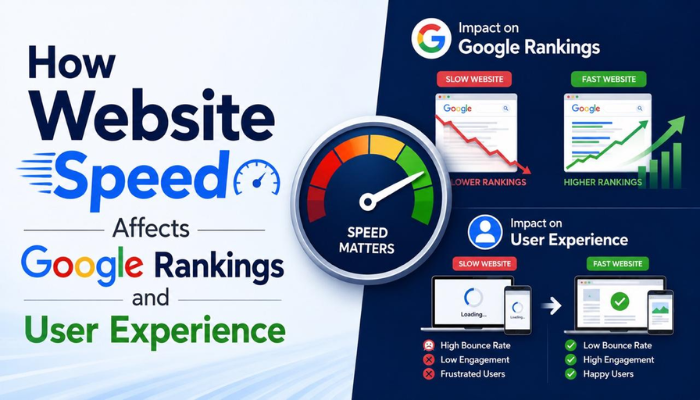
In today's digital world, people expect websites to load almost instantly. Whether they are shopping online, reading a blog, booking a service, or searching for information, users rarely wait for a slow website to load. If a page takes too long, most visitors simply leave and move to a competitor. This makes website speed one of the most important factors for both businesses and website owners.
A fast-loading website not only creates a better browsing experience but also improves search engine visibility. Search engines like Google consider loading speed when ranking websites because they want to provide users with the best possible experience. A slow website can lead to lower rankings, reduced traffic, higher bounce rates, and fewer business opportunities.
Investing in Website Speed optimization is no longer optional. Whether you operate a business website, e-commerce store, educational platform, or corporate portal, improving page speed directly contributes to better customer satisfaction, increased engagement, and stronger online performance.
What Is Website Speed?
Website speed refers to the amount of time it takes for a webpage to load completely when someone visits it. It includes loading images, text, videos, scripts, stylesheets, and interactive elements before the visitor can fully use the website.
Website speed is influenced by multiple factors, including hosting quality, server response time, coding practices, image optimization, caching, plugins, JavaScript execution, and overall website architecture. Every second saved during loading improves the browsing experience and increases the likelihood that visitors will remain on your website.
Why Website Speed Matters for Google Rankings
Google's primary objective is to provide users with high-quality search results that offer valuable information and excellent user experiences. Since website speed directly affects user satisfaction, it has become an important ranking factor.
A faster website allows search engines to crawl pages more efficiently while encouraging users to spend more time exploring content. Websites that load quickly generally experience lower bounce rates, longer session durations, and higher engagement—all positive signals that can contribute to improved search rankings.
An SEO-Friendly Website combines fast loading speed with quality content, responsive design, clean coding, and strong technical optimization. Together, these elements improve visibility in search engine results and attract more organic visitors.
How Slow Websites Affect User Experience
User experience plays a major role in determining whether visitors stay on your website or leave within seconds. A slow website creates frustration, interrupts browsing, and reduces customer confidence in your business.
Visitors expect pages to respond immediately. Delays during navigation, product browsing, form submissions, or checkout processes often result in abandoned sessions. Even if your products or services are excellent, slow performance can discourage potential customers from completing their journey.
A positive User Experience begins with fast loading pages, smooth navigation, mobile responsiveness, and intuitive website design. These factors work together to create a seamless browsing experience that encourages visitors to stay longer and interact with your content.
Benefits of Faster Website Performance
1. Improved Search Engine Rankings
Google rewards websites that deliver better experiences to users. Faster loading pages improve crawl efficiency, enhance user engagement, and increase the chances of achieving higher search rankings for competitive keywords.
2. Lower Bounce Rate
Visitors are less likely to leave a website when pages load quickly. Faster websites keep users engaged, allowing them to explore additional pages and spend more time interacting with your business.
3. Better Customer Satisfaction
A website that responds instantly creates a professional impression and builds trust. Customers appreciate websites that allow them to find information quickly without unnecessary waiting.
4. Higher Conversion Rates
Every second saved during page loading can improve conversion rates. Whether your goal is generating leads, receiving inquiries, or completing online purchases, faster websites encourage visitors to take action.
5. Stronger Brand Credibility
Professional businesses are expected to have reliable, high-performing websites. Fast loading speeds demonstrate professionalism, improve customer confidence, and strengthen your brand reputation.
Common Reasons for Slow Website Speed
| Problem | Impact |
|---|---|
| Large Image Files | Slow Page Loading |
| Poor Quality Hosting | Delayed Server Response |
| Unoptimized Code | Reduced Website Performance |
| Too Many Plugins | Slower Website Execution |
| Heavy JavaScript Files | Longer Loading Time |
| No Browser Caching | Repeated Resource Loading |
| Unused CSS Files | Increased Page Size |
| Large Video Files | Slower User Experience |
How Website Speed Influences Business Growth
A fast website does more than improve SEO. It supports every stage of the customer journey by making information easily accessible and encouraging users to interact with your business. Visitors are more likely to submit inquiries, request quotations, purchase products, or contact your team when pages respond quickly.
Businesses investing in Website Performance optimization often experience increased customer engagement, higher lead generation, better online visibility, and improved return on investment from digital marketing campaigns.
The Role of Mobile Optimization
With the majority of internet users accessing websites through smartphones, mobile performance has become more important than ever. A Responsive Website Design ensures that pages load efficiently across all devices while maintaining excellent usability and navigation.
Mobile-friendly websites improve customer satisfaction, reduce abandonment rates, and contribute positively to Google's mobile-first indexing approach.
Understanding Core Web Vitals
Core Web Vitals are a set of performance metrics introduced by Google to measure the overall experience users have while visiting a website. These metrics evaluate how quickly a webpage loads, how responsive it is when users interact with it, and how stable the page remains during loading.
A website that performs well in Core Web Vitals provides visitors with a smooth browsing experience while increasing the likelihood of better search engine rankings. Improving these performance indicators not only benefits SEO but also builds trust among users who expect websites to load and respond instantly.
Businesses that regularly monitor and improve Core Web Vitals often experience higher visitor engagement, better search visibility, and improved conversion rates.
Effective Ways to Improve Website Speed
1. Optimize Images
Large image files are one of the most common reasons websites load slowly. Compressing images without reducing quality helps decrease page size while maintaining visual appeal. Modern image formats and properly sized graphics significantly improve loading speed.
2. Choose Reliable Hosting
Your hosting provider directly affects server response time and website availability. Investing in high-quality hosting ensures faster performance, improved uptime, and better handling of increased visitor traffic.
3. Minimize CSS and JavaScript
Removing unnecessary code, combining files, and minimizing CSS and JavaScript reduce the amount of data browsers must process before displaying the webpage.
4. Enable Browser Caching
Browser caching stores website resources on visitors' devices so returning users can load pages much faster without downloading every file again.
5. Reduce HTTP Requests
Each image, stylesheet, font, and script generates an HTTP request. Reducing unnecessary requests allows webpages to load more efficiently and improves overall performance.
6. Regular Website Maintenance
Regular maintenance keeps your website optimized by removing unused files, updating plugins, fixing broken links, improving security, and ensuring compatibility with the latest technologies.
How Faster Websites Improve SEO Performance
Website speed works together with other SEO factors to improve overall search performance. A fast website allows search engines to crawl more pages efficiently while encouraging visitors to remain engaged with your content.
An optimized website experiences better indexing, lower bounce rates, increased page views, and stronger user engagement. These positive behavioral signals support improved visibility in search engine results and contribute to long-term organic traffic growth.
Businesses investing in Website Optimization create stronger foundations for successful SEO campaigns and sustainable online growth.
Why Speed Is Critical for E-Commerce Websites
For online stores, every second matters. Slow-loading product pages, shopping carts, or checkout processes often cause customers to abandon their purchases before completing transactions.
Fast e-commerce websites provide smoother browsing experiences, quicker product searches, faster checkout processes, and greater customer satisfaction. These improvements increase conversion rates while reducing cart abandonment.
Businesses operating online stores should continuously optimize performance to maximize revenue and deliver excellent shopping experiences.
How Professional Website Development Services Improve Speed
Professional website developers build websites using clean coding standards, optimized architecture, responsive layouts, secure development practices, and efficient resource management. These technical improvements significantly improve website speed and long-term performance.
Experienced developers also optimize databases, implement caching systems, compress resources, improve server configurations, and remove unnecessary code that may reduce performance.
Investing in professional development ensures your website remains fast, secure, scalable, and ready to support future business growth.
Business Benefits of a Fast Website
| Benefit | Business Impact |
|---|---|
| Fast Loading Pages | Better Customer Satisfaction |
| Higher Google Rankings | More Organic Traffic |
| Lower Bounce Rate | Higher Visitor Engagement |
| Better Mobile Experience | Improved Accessibility |
| Faster Checkout Process | Higher Sales Conversions |
| Improved Website Performance | Stronger Brand Reputation |
| Optimized Website Structure | Better SEO Results |
| Reliable Performance | Increased Customer Trust |
| Scalable Infrastructure | Supports Business Growth |
| Efficient Resource Loading | Reduced Operational Issues |
Industries That Benefit from Faster Websites
Every industry benefits from improved website performance because speed directly affects customer satisfaction and online visibility. Businesses across different sectors rely on fast-loading websites to attract visitors and generate leads.
- E-Commerce Businesses
- Healthcare Organizations
- Educational Institutes
- Real Estate Companies
- Travel Agencies
- Hotels & Restaurants
- Corporate Businesses
- Financial Services
- Manufacturing Companies
- Retail Businesses
- Software Companies
- Digital Marketing Agencies
- Professional Service Providers
- Startups & Small Businesses
- Government Organizations
Conclusion
Website speed is one of the most important factors influencing search engine rankings, customer satisfaction, and business growth. A fast-loading website creates positive first impressions, improves browsing experiences, increases visitor engagement, and supports higher conversion rates. As Google's ranking algorithms continue prioritizing user experience, businesses cannot afford to ignore website performance.
Whether you operate a business website, corporate portal, educational platform, or online store, investing in website speed optimization provides long-term benefits. Faster websites perform better in search results, retain more visitors, strengthen brand credibility, and improve overall digital marketing performance.
By continuously monitoring performance, optimizing technical elements, and implementing best development practices, businesses can create websites that are fast, reliable, SEO-friendly, and capable of delivering exceptional experiences to every visitor. A high-performing website is not only beneficial for Google rankings but also serves as a powerful foundation for sustainable online success.