
- Complete IT Solutions for a Digital World
Lead Management Solutions for Businesses Handling Multiple Enquiries
Manage Multiple Customer Enquiries Efficiently With Centralized Lead Tracking and Automated Follow-Ups
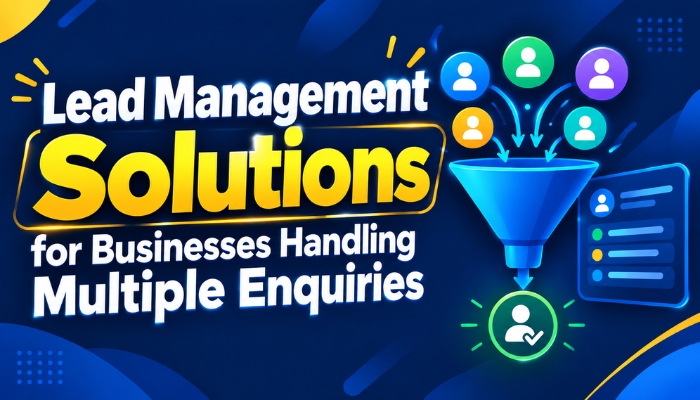
Businesses often receive customer enquiries through website forms, phone calls, social media platforms, email, and messaging applications. Managing these enquiries separately can make it difficult to track potential customers, assign leads to the right team members, and ensure timely follow-ups. Without a structured process, businesses may miss valuable opportunities or contact the same customer multiple times.
Lead management solutions help businesses organize enquiries in one centralized system, monitor their progress, and coordinate communication between sales teams. With the right lead management system, companies can improve lead visibility, streamline daily operations, and manage potential customers more efficiently.
Why Businesses Need a Centralized Lead Management System
When enquiries arrive through different channels, employees may need to switch between multiple platforms to access customer information. This can create delays, duplicate records, and inconsistent follow-up practices.
A centralized lead management software solution brings customer enquiries together in one place. It allows authorized team members to access lead details, review communication history, assign responsibilities, and track the current status of every enquiry.
Key Features of Lead Management Solutions
1. Centralized Enquiry Collection
A business may receive enquiries from website contact forms, landing pages, social media campaigns, email, and other communication channels. Collecting these enquiries in one place makes them easier to manage.
A centralized system helps teams maintain customer details, enquiry sources, contact information, and enquiry dates in a structured format. Integration with supported platforms can reduce the need for manual data entry and improve lead tracking.
2. Lead Assignment and Distribution
Not every enquiry should be handled by the same employee. Leads may need to be distributed according to service requirements, location, sales expertise, team availability, or business rules.
Lead assignment automation helps distribute enquiries according to predefined conditions. It clarifies responsibility and reduces the risk of leads remaining unattended in a shared inbox or spreadsheet.
3. Follow-Up Scheduling and Reminders
Timely follow-ups are important when potential customers need additional information before making a decision. However, managing follow-up dates manually becomes difficult as enquiry volume increases.
A lead follow-up management system can record the next action, set reminders, and help sales representatives identify pending enquiries. This supports consistent communication and helps reduce missed follow-ups.
4. Lead Status and Sales Pipeline Tracking
Businesses need to understand what happens to each enquiry after it enters the system. Lead status tracking allows employees to identify whether an enquiry is new, contacted, qualified, awaiting a response, converted, or closed.
A clearly defined sales pipeline management process helps managers review progress, identify delayed opportunities, and understand where potential customers are dropping out of the sales process.
5. Duplicate Lead Detection
The same customer may submit multiple forms or contact a business through different channels. Without proper record management, these enquiries can create duplicate entries and inconsistent communication.
Duplicate detection features can identify possible matching records using information such as phone numbers, email addresses, or other available identifiers. This improves customer data management and helps teams maintain cleaner records.
6. Lead Source Tracking
Understanding where enquiries originate helps businesses evaluate their marketing activities. Source tracking can identify leads generated through organic search, paid advertisements, website campaigns, referrals, and social media.
By analysing lead source tracking data alongside lead quality and conversions, businesses can make more informed decisions about their marketing priorities and campaign performance.
7. Team Performance Reports
Managers need clear information about enquiry volume, follow-up activity, lead status, response times, and conversion outcomes. Reporting features make it easier to evaluate team performance and identify areas that require improvement.
A well-organized lead management dashboard can provide insights into pending leads, employee workloads, campaign results, and the overall sales pipeline.
How Lead Management Solutions Improve Business Operations
A structured business lead management system can improve coordination across departments and reduce avoidable administrative work.
- Better organization: Keep enquiry records accessible through a centralized platform.
- Faster response coordination: Help teams identify new enquiries and assign ownership promptly.
- Consistent follow-ups: Track pending actions and scheduled customer communication.
- Improved accountability: Maintain records of assigned employees and lead activities.
- Clearer reporting: Monitor enquiry sources, lead progress, and conversion outcomes.
- Reduced duplication: Identify repeated records and improve customer data quality.
The actual results depend on the system configuration, data quality, employee adoption, and the business's existing sales process.
Lead Management Requirements for Different Businesses
Different industries handle customer enquiries in different ways. The right lead management solution for businesses should support the specific requirements of the organization.
| Business Type | Important Lead Management Requirements |
|---|---|
| Service Companies | Service-specific enquiry forms, lead assignment, and follow-up reminders. |
| Real Estate Businesses | Property preferences, location-based assignment, and viewing follow-ups. |
| Educational Institutes | Course enquiries, admission status, batch preferences, and counsellor assignment. |
| Digital Marketing Agencies | Campaign source tracking, lead qualification, and client enquiry reporting. |
| Multi-Branch Businesses | Branch-wise lead distribution, access permissions, and consolidated reports. |
Choosing the Right Lead Management Solution
Before selecting a solution, businesses should evaluate their enquiry volume, communication channels, team structure, and reporting requirements. A system that works for a small sales team may need additional automation and access controls as the company expands.
- Integration with existing websites, forms, and communication platforms.
- Customizable lead stages and assignment rules.
- Follow-up reminders and activity history.
- Role-based access for employees, managers, and branches.
- Reports for lead sources, team activity, and conversions.
- Data protection, backup practices, and appropriate access controls.
- Scalability as enquiry volume and team size increase.
Businesses should also confirm which features are available natively and which require third-party integrations or custom development.
How Technology Xtend Can Help
Technology Xtend provides technology solutions for businesses looking to organize their operations and manage customer enquiries more effectively. A suitable custom lead management solution can be planned around a company's enquiry channels, sales workflow, team responsibilities, and reporting needs.
Depending on project requirements, the system may include centralized lead records, employee assignment, follow-up reminders, lead status tracking, dashboards, and integrations with supported business applications. Custom lead management software development can help businesses align these features with their existing processes.
Businesses should define their workflow requirements before development so that the final solution supports their actual working process rather than introducing unnecessary complexity.
Conclusion
Handling enquiries from multiple channels becomes challenging when customer information is scattered across different tools. Lead management solutions help businesses bring enquiry records together, assign responsibilities, schedule follow-ups, and monitor progress throughout the sales process.
By selecting a system that matches their workflows and integrating it with relevant business applications, companies can improve coordination, maintain better customer records, and make more informed sales decisions. A well-planned lead management system provides a stronger foundation for handling growing enquiry volumes and supporting long-term business development.