
- Complete IT Solutions for a Digital World
Why Order Tracking Is Important for Online Stores
Order tracking helps online stores build trust, share delivery updates, reduce support queries, and improve the customer shopping experience.
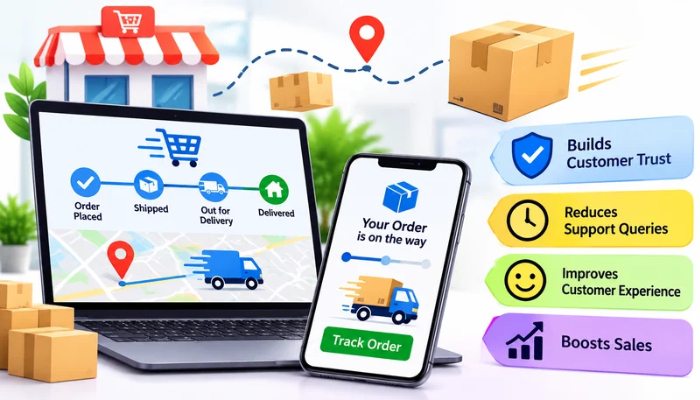
Online shopping has become a popular way for customers to purchase products from websites and mobile applications. People can order clothes, electronics, groceries, accessories, and many other products without visiting a physical store. However, the customer experience does not end after completing a purchase. Customers also want to know when their orders will be shipped, where their packages are, and when they can expect delivery.
This is why order tracking for online stores has become an important part of modern e-commerce websites. An online order tracking system allows customers to follow their purchases from order confirmation to final delivery. It helps businesses provide better communication, improve customer satisfaction, reduce delivery-related queries, and build trust.
For e-commerce businesses, adding a reliable order tracking feature can make the entire shopping process more transparent, convenient, and organized.
What Is Order Tracking in E-Commerce?
Order tracking is a feature that allows customers to check the status and progress of their online orders. After purchasing a product, customers can use an order tracking page, tracking number, email notification, or shipping link to get information about their delivery.
An e-commerce order tracking system can show different stages of an order, such as order received, payment confirmed, processing, packaging, shipping, and delivery.
Depending on the shipping provider and system integration, customers may also be able to view the location or movement of their packages during transportation.
A well-designed online order tracking system helps customers access delivery information without contacting the store repeatedly.
Common Order Statuses in Online Stores
- Order Confirmed: The store has successfully received the customer's order.
- Payment Completed: The payment has been processed successfully.
- Processing: The store is preparing the order for shipment.
- Packed: The product is packed and ready to be shipped.
- Shipped: The order has been handed over to the delivery partner.
- Out for Delivery: The package is on its way to the customer's address.
- Delivered: The order has reached the customer.
Why Order Tracking Is Important for Online Stores
1. Keeps Customers Updated About Their Orders
After placing an online order, customers naturally want to know what happens next. They may wonder whether the payment was successful, whether the product has been packed, or whether the shipment has started.
An order tracking feature provides clear information about the order status. Customers can check updates whenever they want instead of waiting for a reply from the store.
Regular shipping updates help customers stay informed throughout the delivery process and create a more comfortable shopping experience.
2. Builds Customer Trust and Confidence
Trust is an important factor in online shopping. Customers cannot physically see the product or meet the seller before placing an order. They depend on the website, payment process, order confirmation, and delivery communication.
An online store that provides order tracking information shows transparency in its operations. Customers can see that their orders are being processed and delivered instead of feeling uncertain after making a payment.
A transparent order tracking system can help new customers feel more confident and existing customers develop stronger trust in the business.
3. Reduces Customer Support Queries
E-commerce businesses often receive repetitive questions about order status and delivery progress. Customers may contact support through phone calls, email, WhatsApp, or website chat to ask about their purchases.
An order tracking page can answer many of these questions automatically.
When customers can check order status online, customer support teams spend less time responding to repeated delivery-related queries. This can help businesses manage customer service more efficiently, especially when order volumes increase during sales, festivals, or promotional campaigns.
4. Improves the Overall Shopping Experience
A good e-commerce customer experience includes more than product browsing and a smooth checkout process. Customers also expect useful communication after completing their purchase.
Order tracking makes the post-purchase experience easier by providing access to shipping updates, delivery status, and relevant order information.
When customers can find the information they need without confusion, they are more likely to have a positive impression of the online store.
5. Helps Customers Understand Delivery Delays
Sometimes orders may take longer than expected because of weather conditions, traffic, courier problems, warehouse delays, incorrect addresses, or high shipping volumes.
Without order tracking updates, customers may think their packages have been lost or forgotten.
A tracking system helps businesses share available updates when delivery timelines change. Informing customers about delays can reduce confusion and help them understand the reason for waiting.
6. Encourages Repeat Purchases
A smooth delivery experience can influence whether a customer shops from the same website again. When a business provides accurate order information, helpful notifications, and convenient tracking options, it creates a more reliable shopping experience.
Customers who feel informed and supported may be more willing to return to the store for future purchases.
A reliable delivery process, combined with good customer service, can support customer retention and long-term business growth.
7. Improves Business Operations
An order management and tracking system can help online store owners organize orders and understand their delivery progress.
Businesses can identify orders that are still being processed, shipments that are delayed, and products that have already been delivered. This information can help the team follow up on pending orders and manage delivery issues.
When order tracking is connected with inventory management, shipping systems, and e-commerce software, businesses can reduce manual work and improve order handling.
Important Features of an Online Order Tracking System
A useful order tracking system should be simple to use and provide customers with the right information at the right time.
| Feature | Purpose |
|---|---|
| Order Status Updates | Shows the current stage of the customer's order. |
| Tracking Number | Allows customers to check shipment details with the courier. |
| Shipment Tracking Link | Provides direct access to delivery progress. |
| Estimated Delivery Date | Helps customers understand when the order may arrive. |
| Email Notifications | Provides updates when an order status changes. |
| SMS Notifications | Shares important delivery information through text messages. |
| Mobile-Friendly Tracking Page | Allows customers to check orders from their smartphones. |
| Order History | Helps customers view previous purchases and order details. |
| Delivery Information | Displays available shipping and delivery details. |
How Order Tracking Works on an E-Commerce Website
An online order tracking process usually starts as soon as a customer completes a purchase. The website records the order details and provides updates as the order moves through different stages.
Step 1: Customer Places an Order
The customer selects products, completes checkout, and submits the order. The e-commerce website records the purchase and displays an order confirmation.
Step 2: Order Processing Begins
The store checks the order details, confirms the payment, and prepares the product for packaging.
Step 3: Product Is Packed and Shipped
Once the product is ready, the business packs it and hands it over to the shipping or courier service. The tracking number may become available at this stage.
Step 4: Tracking Updates Are Shared
The tracking system receives updates from the store or courier service. Customers can view the available shipment information through a website, tracking link, email, or notification.
Step 5: Order Is Delivered
After the product reaches the customer, the order status changes to delivered. The store may also send a delivery confirmation message.
Different Ways to Provide Order Tracking
Online stores can provide order tracking through different methods depending on their business model, website technology, and delivery partners.
Website Order Tracking Page
A dedicated order tracking page allows customers to enter their order number, email address, or tracking ID to check the status of their purchase. This feature keeps order information accessible directly from the e-commerce website.
Courier Tracking Integration
Courier integration connects the online store with shipping providers. It can display shipment updates received from the courier service, helping customers follow the package movement.
Email Order Notifications
Automated email notifications can be sent when an order is confirmed, packed, shipped, or delivered. These messages help customers stay updated without manually checking the tracking page.
SMS and WhatsApp Delivery Updates
Businesses may also send order confirmation and shipment notifications through SMS or WhatsApp, depending on their setup and customer communication preferences.
How Order Tracking Helps E-Commerce Business Owners
Order tracking is valuable not only for customers but also for online store owners and their teams. It can help businesses manage order information, improve communication, and organize delivery-related activities.
- Better Order Management: Businesses can check the status of multiple orders from one system.
- Less Manual Communication: Customers can find delivery updates without contacting support.
- Improved Customer Service: Support teams can access order information when assisting customers.
- More Organized Deliveries: Teams can identify orders awaiting dispatch or delivery.
- Better Customer Experience: Clear updates make the purchasing process more transparent.
- Business Scalability: Tracking tools can help manage growing order volumes more efficiently.
Why Mobile-Friendly Order Tracking Matters
Many online shoppers use smartphones to browse products, make payments, and check their deliveries. For this reason, order tracking pages should work properly on mobile devices.
A mobile-friendly order tracking page should have readable text, clear status information, simple navigation, and easy access to tracking details.
Customers should not need to zoom in, scroll through complicated layouts, or open multiple pages to find their delivery information.
A responsive tracking page can make it easier for customers to check order status from anywhere, improving convenience and accessibility.
Common Order Tracking Problems Faced by Online Stores
Some online stores provide tracking features but still face problems that affect customer experience.
- Delayed Status Updates: Tracking information may not update immediately after a shipment moves.
- Missing Tracking Numbers: Customers may receive shipping notifications without a usable tracking ID.
- Confusing Status Messages: Technical delivery terms may be difficult for customers to understand.
- Incorrect Delivery Estimates: Expected delivery dates may change because of shipping delays.
- Poor Mobile Experience: Tracking pages may not display correctly on smaller screens.
- Disconnected Systems: Website, courier, and order management systems may not share information properly.
Businesses should regularly review their order tracking process to identify these problems and make delivery communication more reliable.
How to Make Order Tracking More Useful for Customers
Online stores can improve their order tracking experience by following a few simple practices.
- Keep order status information clear and easy to understand.
- Display tracking details as soon as they become available.
- Send timely order and shipment notifications.
- Make the tracking page accessible on mobile devices.
- Provide estimated delivery dates when reliable information is available.
- Include customer support details for delayed or missing orders.
- Connect order management and shipping tools where possible.
- Keep delivery information updated and avoid confusing messages.
These improvements can make order tracking easier for customers and help online businesses provide better delivery support.
Conclusion
Order tracking is an important feature for modern e-commerce websites. It helps customers check their order status, follow delivery progress, understand shipping delays, and stay informed after making a purchase.
For online store owners, an order tracking system can reduce repetitive customer support queries, improve order management, organize delivery communication, and support a better customer experience.
As online shopping continues to grow, customers expect more transparency and convenience from e-commerce businesses. A reliable order tracking feature can help businesses meet these expectations, build customer trust, and encourage repeat purchases.
Adding an effective online order tracking system is a useful step for businesses that want to improve their e-commerce website functionality and provide a smoother shopping journey from checkout to delivery.